

Suboxone Withdrawal: What to Expect During Treatment Changes
When making adjustments to your recovery plan, understanding potential suboxone withdrawal symptoms is an important step in feeling prepared. At Addiction Therapy Services, board-certified Dr. William Rothe, M.D., carefully manages any dosage changes to keep physical discomfort as low as possible. While you might experience mild changes in mood, sleep, or energy, these temporary shifts are closely monitored and supported during your routine visits. Combined with required in-house counseling, this compassionate medical guidance ensures you feel fully secure and cared for as you safely navigate your changing treatment needs. For more information, contact us or schedule an appointment online. We are conveniently located at 4760 Sawmill Road, Suite B, Columbus, OH 43235.
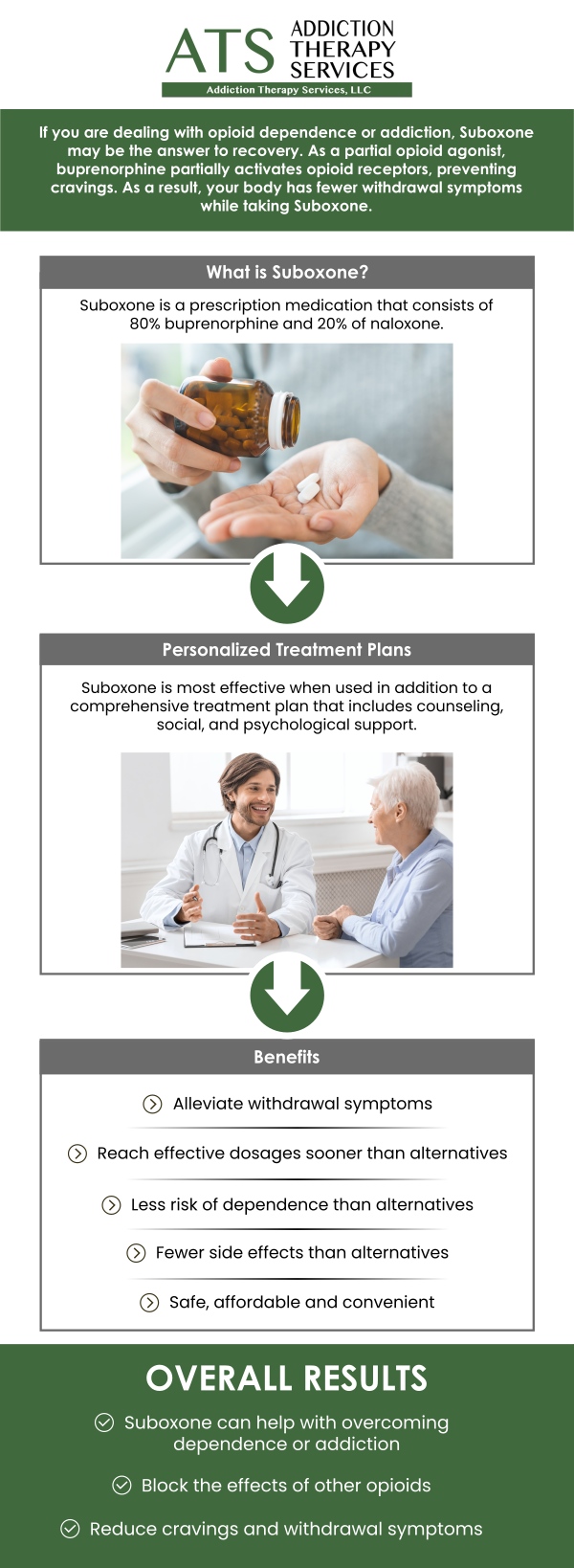
Table of Contents:
How long do Suboxone withdrawal symptoms actually last?
What are the most difficult days of a Suboxone withdrawal timeline?
How can a doctor help ease withdrawal symptoms when tapering off Suboxone?
Is Suboxone withdrawal worse than heroin or fentanyl withdrawal?
Managing Suboxone Treatment Changes With Support From Dr. William Rothe, M.D., at Addiction Therapy Services
At Addiction Therapy Services, we understand that the journey off Suboxone can be challenging and highly individual. Withdrawal symptoms can vary in duration and intensity depending on factors such as how long you have been on Suboxone, your dosage, and your unique physiology. Typically, withdrawal symptoms begin within 24 to 72 hours after the last dose. Early symptoms often include anxiety, muscle aches, sweating, and agitation.
The most intense symptoms—known as the acute withdrawal phase—usually peak within the first three to five days. During this time, you might experience nausea, vomiting, diarrhea, insomnia, and strong cravings. While these physical symptoms often start to subside after the first week, some discomfort may persist. By the end of the second week, many people notice significant improvement, but lingering effects like mood swings, low energy, sleep problems, and cravings can continue. This period is known as post-acute withdrawal and may last a month or longer.
At Addiction Therapy Services, we are committed to providing compassionate, evidence-based support throughout this process. Our healthcare providers offer personalized tapering schedules, medication management, and therapeutic interventions designed to ease withdrawal symptoms and promote lasting recovery. We also provide ongoing counseling to help address the emotional and psychological aspects of withdrawal.
If you are considering stopping Suboxone, don’t do it alone. Contact Addiction Therapy Services to develop a safe, effective plan tailored to your needs, and let our team guide you every step of the way toward a healthier future.
At Addiction Therapy Services, we recognize that Suboxone withdrawal can be a challenging and sometimes overwhelming experience. Understanding the withdrawal timeline is important for anyone considering stopping Suboxone or transitioning to a medication-free life, and our medical team is here to support you every step of the way.
What to Expect During Suboxone Withdrawal
Withdrawal symptoms often start within 24 to 72 hours after the last dose of Suboxone, as the medication begins to leave your system. During this initial period, it’s common to experience anxiety, muscle aches, insomnia, sweating, and general discomfort.
The most difficult days are usually between days three and five. This is when symptoms often peak, and you may experience nausea, vomiting, diarrhea, chills, irritability, and intense cravings. Emotional symptoms, such as depression and anxiety, can also become more severe, and sleep disturbances may make it difficult to rest.
After day five, most people notice their symptoms start to subside, although some effects—such as mild anxiety, insomnia, and mood swings—might linger for a week or two. The acute withdrawal phase typically lasts about seven to ten days, but psychological symptoms can persist, especially if you’ve been on higher doses or used Suboxone for an extended period.
Why Medical Support Matters
The urge to relapse is often strongest during the peak withdrawal days. That’s why Addiction Therapy Services offers comprehensive medical supervision, counseling, and ongoing support throughout your withdrawal and recovery process. Our experienced clinicians can help manage your symptoms safely, address emotional challenges, and develop a personalized treatment plan tailored to your needs.
How We Support You
• Medical Supervision: Our team monitors your health and provides medications or interventions as needed to alleviate withdrawal symptoms.
• Counseling & Therapy: We offer individual therapy to help you process emotional symptoms, identify triggers, and build coping skills.
• Relapse Prevention: We work with you to develop strategies for managing cravings and preventing relapse.
• Aftercare Planning: Our support doesn’t end after withdrawal. We’ll help you transition to ongoing treatment, support groups, or other services to help maintain your recovery.
If you or a loved one is considering stopping Suboxone, don’t go through it alone. Contact Addiction Therapy Services today to learn how we can help you safely and comfortably navigate the withdrawal process and support you throughout your recovery journey.
At Addiction Therapy Services, our team is dedicated to guiding patients safely and comfortably through the process of tapering off Suboxone (buprenorphine/naloxone). We recognize that every individual’s recovery journey is unique, which is why we develop personalized tapering plans designed to minimize withdrawal symptoms and support long-term recovery.
Individualized Tapering Plans: The first step in Suboxone tapering at Addiction Therapy Services involves a thorough assessment by our medical providers. Based on your medical history, substance use patterns, and personal goals, we create a gradual dose reduction schedule that typically spans weeks or months. This careful approach helps to reduce the risk of severe withdrawal symptoms and increases the likelihood of a successful transition.
Comprehensive Symptom Management: Throughout the tapering process, our clinicians provide continuous medical supervision with regular check-ins. If withdrawal symptoms arise, we can prescribe non-opioid medications to help manage issues like anxiety, agitation, or sweating. For insomnia or gastrointestinal discomfort, we offer practical recommendations and, when appropriate, safe medications to ease these symptoms.
Patient Education and Empowerment: Education is central to our approach. We inform patients about what to expect during the tapering process, including typical withdrawal symptoms and timelines. Our team teaches coping strategies for managing cravings and discomfort, and we maintain open lines of communication so patients feel empowered to share concerns or ask for help at any time.
Ongoing Support for Recovery. At Addiction Therapy Services, we believe that compassionate, ongoing support is crucial for sustained recovery. Our providers offer encouragement and reassurance at every stage, helping patients build confidence and resilience as they work towards life beyond Suboxone.
By combining medical management, psychological support, and patient-centered education, Addiction Therapy Services strives to make the Suboxone tapering process as safe, comfortable, and successful as possible for every patient.
At Addiction Therapy Services, we recognize that one of the biggest concerns for individuals seeking recovery is the fear of withdrawal. Whether you are using heroin, fentanyl, or Suboxone, understanding what to expect—and how professional support can help—can make a significant difference in your recovery journey.
Heroin and Fentanyl Withdrawal
Heroin and fentanyl are both powerful, short-acting opioids. When someone becomes physically dependent and then stops using these substances, withdrawal symptoms usually begin quickly—within 6 to 12 hours for heroin, sometimes a bit longer for fentanyl. Symptoms often peak within 1 to 3 days and may last about a week, though fentanyl withdrawal can linger due to its strength and the way it is stored in the body.
The withdrawal process from these opioids can be extremely intense, with symptoms such as severe muscle aches, abdominal cramping, nausea, vomiting, diarrhea, sweating, insomnia, anxiety, and powerful cravings. Because of the severity of these symptoms, many individuals find it difficult to quit without relapse or professional help.
Suboxone Withdrawal
Suboxone (a combination of buprenorphine and naloxone) is commonly used in medication-assisted treatment (MAT) for opioid dependence. While Suboxone is highly effective at reducing cravings and withdrawal symptoms from other opioids, it can also cause its own withdrawal if stopped abruptly. Due to its longer duration of action, Suboxone withdrawal symptoms tend to start later—typically 2 to 3 days after the last dose—and can last for several weeks.
Although Suboxone withdrawal is generally milder than heroin or fentanyl withdrawal, symptoms such as anxiety, insomnia, muscle aches, headaches, gastrointestinal discomfort, mood changes, and cravings can still be uncomfortable and persistent. The prolonged nature of Suboxone withdrawal can be challenging without the right support.
How Addiction Therapy Services Can Help
At Addiction Therapy Services, our experienced medical team understands the complexities of opioid withdrawal and tailors treatment plans to each individual’s unique situation. We offer:
• Personalized Tapering Plans: Gradually reducing your dose under medical supervision can greatly reduce the severity and duration of withdrawal symptoms.
• Medication Management: We use evidence-based approaches to help manage withdrawal, reduce cravings, and support long-term recovery.
• Relapse Prevention: We work with you to develop a comprehensive aftercare plan, including ongoing therapy and medication maintenance if needed.
Your Recovery, Your Pace
Withdrawal from any opioid—whether heroin, fentanyl, or Suboxone—is safest and most manageable with professional guidance. Attempting to quit on your own can be overwhelming and increases the risk of relapse or complications. At Addiction Therapy Services, we are here to support you every step of the way, from detoxification to long-term recovery.
If you are considering stopping Suboxone or any opioid, or if you have questions about withdrawal management, reach out to our team today. Together, we can develop a plan that prioritizes your comfort, safety, and long-term wellness.
Making changes to your Suboxone treatment can feel a little overwhelming, but board-certified Dr. William Rothe, M.D., and the team at Addiction Therapy Services are here to help you every step of the way. Whether you need to adjust your daily dose or are getting ready to slowly lower your medication, these choices are made carefully and safely together. Dr. Rothe takes the time to listen to how you are feeling before making any changes to your plan. This ensures your treatment always matches your current needs, keeping you comfortable and stable as you move forward in your recovery.
Adjusting your medication is not just a physical process; it can also bring up new emotions and challenges. That is why Addiction Therapy Services pairs your medical care with required, built-in counseling. You will always have a safe, welcoming space to talk about any worries that come up as your treatment shifts. By working closely with Dr. Rothe and the supportive counseling team, you get the steady guidance and encouragement needed to stay on track, build your confidence, and continue living a healthy, substance-free life. For more information, contact us or schedule an appointment online. We are conveniently located at 4760 Sawmill Road, Suite B, Columbus, OH 43235. We serve patients from Columbus OH, Dublin OH, Upper Arlington OH, Hilliard OH, Worthington OH, and surrounding areas.

Check Out Our 5 Star Reviews


Additional Services You May Need
- Outpatient Alcohol Detoxification
- Heroin Addiction
- Suboxone Treatment
- Medication-Assisted Opiate Therapy
- Tobacco Cessation
- Benzodiazepine
- Drug Addiction
- Opioid Addiction
- Addiction Therapy
- Buprenorphine
- Alcohol Addiction
- Opioid Use Disorder with Mat
- Alcohol Use Disorder with Mat
- Sublocade Injections for Opioid Dependence
- Addiction Counseling

Additional Services You May Need
• Outpatient Alcohol Detoxification
• Heroin Addiction
• Suboxone Treatment
• Medication-Assisted Opiate Therapy
• Tobacco Cessation
• Benzodiazepine
• Drug Addiction
• Opioid Addiction
• Addiction Therapy
• Buprenorphine
• Alcohol Addiction
• Opioid Use Disorder with Mat
• Alcohol Use Disorder with Mat
• Sublocade Injections for Opioid Dependence
• Addiction Counseling




 Send Text
 How May I Help You?
