
Where Can I Get Help With Opioid Addiction in Columbus, OH?
Help with opioid addiction in Columbus, OH can provide individuals with structured medical support for managing cravings, withdrawal symptoms, and ongoing recovery needs. At Addiction Therapy Services, our team develops personalized treatment plans based on each patient’s health history and goals. Dr. William Rothe, M.D., provides medical guidance that may include medication management, counseling, and regular follow-up. Ongoing support can help patients build greater stability and continue making progress in recovery. For more information, contact us or schedule an appointment online. We are conveniently located at 4760 Sawmill Road, Suite B, Columbus, OH 43235.
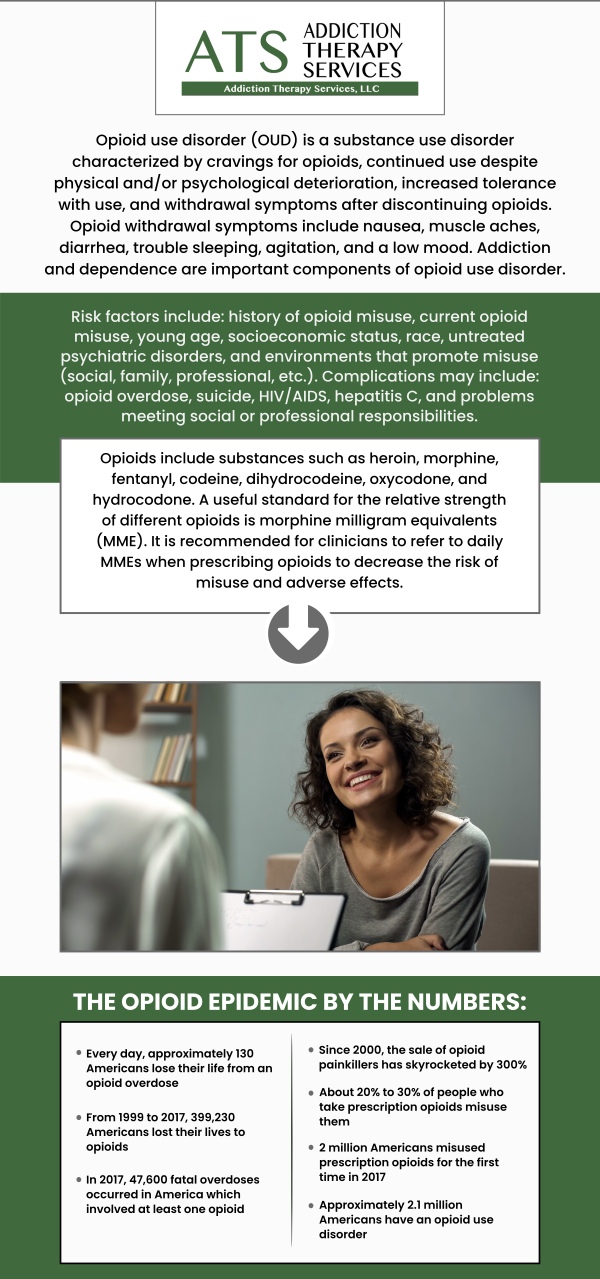
Table of Contents:
What treatment options are available for opioid addiction in Columbus?
How do I know if I need professional help for opioid addiction?
What should I do if a loved one is struggling with opioid addiction?
How can I begin getting help with opioid addiction in Columbus, OH?
Take the First Step Toward Help With Opioid Addiction in Columbus, OH With Dr. William Rothe, M.D.
Opioid addiction, clinically referred to as opioid use disorder (OUD), can be treated through a combination of medical care, medication, counseling, behavioral support, and ongoing recovery services. Treatment is most effective when it is personalized according to the individual’s opioid use history, withdrawal symptoms, cravings, overall health, previous treatment experiences, and recovery goals.
Evidence-based medications used for opioid use disorder may include buprenorphine and naltrexone. These medications work in different ways, so the appropriate option should be determined through a medical evaluation. Buprenorphine may help reduce withdrawal symptoms and cravings, while counseling and behavioral support can help patients address triggers, coping patterns, emotional concerns, and other factors that may affect recovery.
Treatment options may include:
• Medication treatment for opioid use disorder
• Buprenorphine-based treatment
• Individual counseling
• Medical monitoring
• Withdrawal symptom management
• Craving management
• Relapse-prevention planning
• Ongoing follow-up appointments
• Recovery-focused education and support
At Addiction Therapy Services in Columbus, OH, our team provides individualized opioid addiction treatment based on each patient’s needs. Dr. William Rothe, M.D., a board-certified physician in Addiction Medicine, works with patients to develop treatment plans that may include medication management, counseling, and continued clinical support throughout recovery.
It may be time to seek professional help when opioid use becomes difficult to control or begins affecting your health, responsibilities, relationships, or everyday life. Opioid use disorder can develop with prescription opioids, heroin, fentanyl, or other opioids, and the signs may vary from one person to another.
Some people recognize a problem because they are using opioids more often or in larger amounts than intended. Others may experience strong cravings, withdrawal symptoms when they try to stop, or repeated difficulty reducing their use. Continuing to use opioids despite physical, emotional, financial, occupational, or relationship problems may also indicate that professional evaluation could be helpful.
Signs that it may be appropriate to seek help include:
• Strong or persistent opioid cravings
• Difficulty reducing or stopping opioid use
• Withdrawal symptoms when opioid use is reduced
• Needing increasing amounts over time
• Spending significant time obtaining or using opioids
• Returning to opioid use after trying to stop
• Missing work, school, or family responsibilities
• Continuing opioid use despite health concerns
• Changes in relationships or daily routines
• Concern expressed by family members or friends
You do not have to wait until opioid use has caused severe consequences before speaking with a medical professional. An evaluation can help determine whether opioid use disorder is present, identify potential withdrawal or overdose risks, and establish a treatment plan based on your individual circumstances.
Watching someone you care about struggle with opioid addiction can be difficult, but supportive communication may help encourage them to seek treatment. Try to approach the conversation calmly and focus on specific concerns rather than criticism, blame, or judgment. Listening to what your loved one is experiencing can make it easier to discuss professional care and possible treatment options.
Encourage your loved one to receive an evaluation from a healthcare professional experienced in opioid use disorder. Treatment does not need to look the same for everyone. A medical professional can review current opioid use, withdrawal symptoms, other medications, physical and emotional health, previous treatment attempts, and individual recovery goals before recommending an appropriate approach.
Family members can also help by:
• Learning about opioid use disorder and treatment options
• Communicating with compassion and patience
• Encouraging professional medical evaluation
• Helping with transportation or appointment planning
• Supporting healthy routines and recovery goals
• Avoiding behaviors that may unintentionally enable continued substance use
• Learning how to recognize signs of an opioid overdose
• Keeping naloxone available when overdose risk is present
• Continuing to offer support during setbacks or challenges
An opioid overdose can be life-threatening. If someone is unresponsive, has very slow or stopped breathing, or shows other signs of a suspected overdose, emergency medical assistance should be obtained immediately. Naloxone may temporarily reverse an opioid overdose when it is available and used appropriately.
Beginning treatment usually starts with contacting an addiction treatment professional for an evaluation. You do not need to have every part of recovery planned before making the first appointment. The initial goal is to understand your current situation, identify immediate concerns, and determine which treatment options may be appropriate.
During an opioid addiction evaluation, the medical team may discuss:
• Which opioids you currently use
• How frequently opioids are used
• Approximate amounts and duration of use
• When opioids were last used
• Current withdrawal symptoms
• Craving patterns
• Previous overdose history
• Previous attempts to stop opioid use
• Current prescription medications
• Medical and mental health history
• Previous addiction treatment
• Personal recovery goals
These details help the clinical team better understand your needs and determine whether medication treatment may be appropriate. The treatment plan may also include counseling, regular follow-up visits, symptom monitoring, and recovery-focused support.
At Addiction Therapy Services, patients seeking help with opioid addiction in Columbus can begin by discussing their substance use, symptoms, concerns, and recovery goals with our team. Dr. William Rothe, M.D., can provide medical guidance and develop an individualized care plan designed to support greater stability and continued progress.
Taking the first step toward opioid addiction treatment can provide access to structured medical care and a clearer recovery plan. Treatment can help address opioid cravings, withdrawal concerns, continued opioid use, and the physical and emotional challenges that may accompany opioid use disorder. Rather than expecting every patient to follow the same path, individualized care considers the person’s health history, opioid use patterns, previous treatment experiences, and recovery goals.
At Addiction Therapy Services in Columbus, OH, Dr. William Rothe, M.D., a board-certified physician in addiction medicine, provides individualized care for people seeking help with opioid addiction. His approach may include medical evaluation, buprenorphine-based treatment when appropriate, counseling, clinical monitoring, and continued recovery support. Our team focuses on helping patients take practical steps toward improved stability while providing ongoing guidance as treatment needs change over time. For more information, contact us or schedule an appointment online. We are conveniently located at 4760 Sawmill Road, Suite B, Columbus, OH 43235. We serve patients from Columbus OH, Dublin OH, Upper Arlington OH, Hilliard OH, Worthington OH, and surrounding areas.

Check Out Our 5 Star Reviews


Additional Services You May Need
- Outpatient Alcohol Detoxification
- Heroin Addiction
- Suboxone Treatment
- Medication-Assisted Opiate Therapy
- Tobacco Cessation
- Benzodiazepine
- Drug Addiction
- Opioid Addiction
- Addiction Therapy
- Buprenorphine
- Alcohol Addiction
- Opioid Use Disorder with Mat
- Alcohol Use Disorder with Mat
- Sublocade Injections for Opioid Dependence
- Addiction Counseling

Additional Services You May Need
• Outpatient Alcohol Detoxification
• Heroin Addiction
• Suboxone Treatment
• Medication-Assisted Opiate Therapy
• Tobacco Cessation
• Benzodiazepine
• Drug Addiction
• Opioid Addiction
• Addiction Therapy
• Buprenorphine
• Alcohol Addiction
• Opioid Use Disorder with Mat
• Alcohol Use Disorder with Mat
• Sublocade Injections for Opioid Dependence
• Addiction Counseling




 Send Text
 How May I Help You?
