
How Long Do You Need to Take Suboxone for Recovery?
When determining how long you should take Suboxone during recovery, it is important to understand that there is no single timeline that works for everyone. Under the dedicated care of board-certified physician Dr. William Rothe, M.D., at Addiction Therapy Services, your treatment duration is carefully personalized to match your specific physical and emotional needs. While some individuals may transition off the medication after several months, clinical guidelines often recommend continuing maintenance therapy for a year or longer to ensure lasting stability. By combining this flexible medical timeline with required in-house counseling, patients receive the comprehensive support necessary to heal completely and build a strong foundation for lifelong sobriety. For more information, contact us or schedule an appointment online. We are conveniently located at 4760 Sawmill Road, Suite B, Columbus, OH 43235.
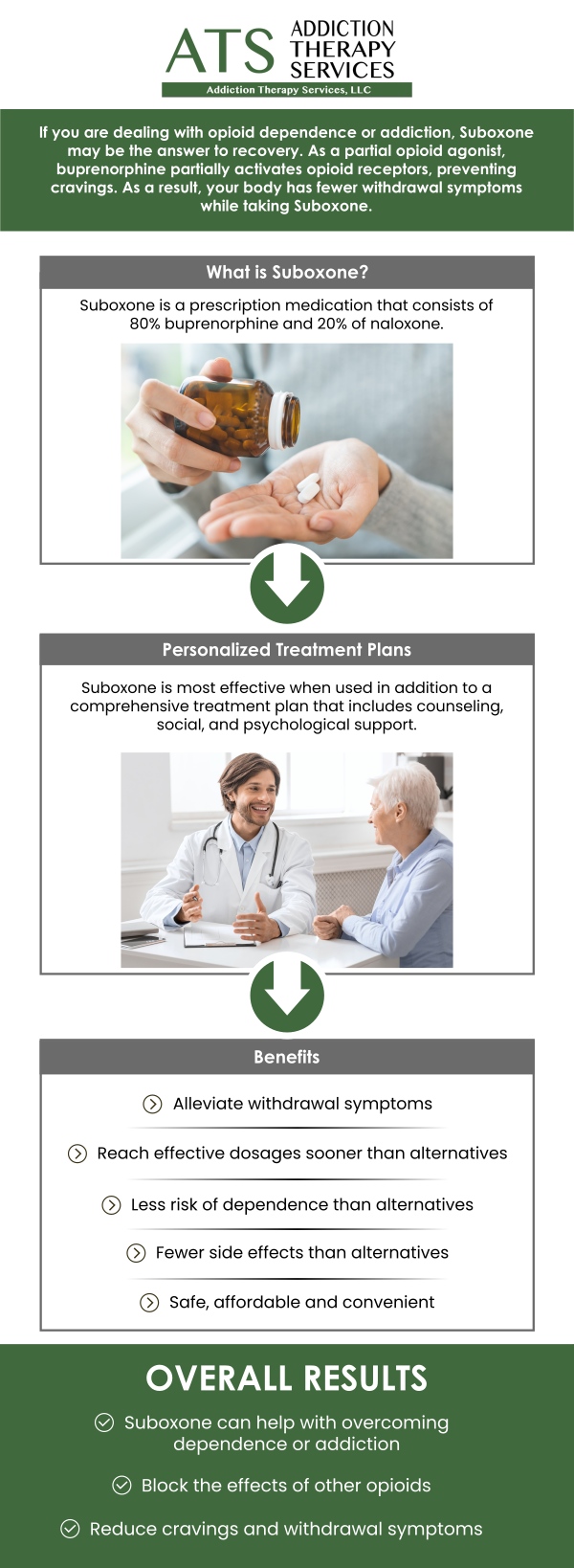
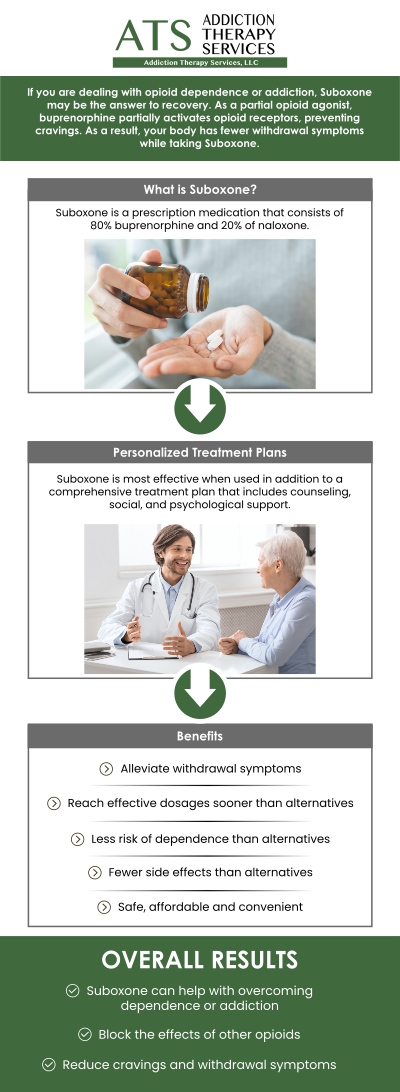
Table of Contents:
Is it safe to stay on Suboxone for life?
What happens to your brain and body if you stop taking Suboxone too early?
How does a doctor determine the right time to stop Suboxone?
Can I use Suboxone for just a quick 7-day detox?
Personalized Suboxone Treatment Duration Guidance With Dr. William Rothe, M.D., at Addiction Therapy Services
At Addiction Therapy Services, we are committed to supporting individuals on their journey to recovery from opioid use disorder (OUD). One of the most effective tools in opioid addiction treatment is Suboxone—a combination medication containing buprenorphine and naloxone. Many of our patients ask whether it is safe to remain on Suboxone for an extended period, or even for life.
What Does the Evidence Say?
Extensive research shows that long-term, or even lifelong, use of Suboxone can be safe for many people when it is prescribed and monitored by a qualified healthcare provider, such as those at Addiction Therapy Services. Suboxone works by preventing withdrawal symptoms and reducing cravings, which significantly lowers the risk of relapse and overdose. In fact, people who continue maintenance therapy with medications like Suboxone, under medical supervision, tend to have better outcomes—including fewer relapses and improved quality of life.
The potential side effects of long-term Suboxone use—such as constipation, insomnia, or mild hormonal changes—are usually manageable, especially when you have regular check-ins with our medical team. Rarely, Suboxone can affect liver function, which is why we may recommend periodic liver tests as part of your care at Addiction Therapy Services. Importantly, Suboxone’s unique properties mean it is safer than most opioid medications, with a lower risk of respiratory depression.
Stigma and Individualized Care
We recognize that some people may feel societal pressure to discontinue medication, but there is no standard medical requirement to stop Suboxone after a certain period. At Addiction Therapy Services, we believe the decision to continue or taper off Suboxone should be based on your individual history, stability in recovery, and personal goals. For many, lifelong maintenance therapy offers the safest and most stable path to lasting recovery.
Our Commitment to Your Health
If you choose to remain on Suboxone, our team will provide ongoing monitoring, support, and education to address any concerns and ensure your treatment remains safe and effective. Regular follow-up appointments allow us to adapt your care to your changing needs and help you achieve your recovery goals.
If you have questions about Suboxone or medication-assisted treatment, contact Addiction Therapy Services today. Our experienced providers are here to support you at every step of your recovery journey.
At Addiction Therapy Services, we understand that deciding to stop taking Suboxone is a significant step in your recovery journey. Suboxone, a combination of buprenorphine and naloxone, plays a crucial role in stabilizing the brain’s opioid receptors, reducing cravings, and easing withdrawal symptoms during opioid dependence treatment. However, stopping Suboxone too early—especially without medical supervision—can pose serious risks to your recovery and well-being.
Risks of Stopping Suboxone Too Soon
When Suboxone is discontinued abruptly or before the brain and body are ready, both physical and psychological withdrawal symptoms can occur. In the brain, a sudden lack of Suboxone can reignite cravings and disrupt the delicate chemical balance that supports recovery. You may experience increased anxiety, mood swings, irritability, and powerful urges to use opioids again. The risk of relapse is highest during this period, as the brain’s reward pathways have not yet fully healed.
Physically, withdrawal symptoms can resemble those of other opioids—muscle aches, sweating, nausea, vomiting, diarrhea, fatigue, and insomnia. These symptoms can make it difficult to function in daily life and may disrupt sleep, appetite, and overall well-being. For many, the discomfort can be so intense that returning to opioid use may seem like the only option, which increases the risk of overdose and other complications.
How Addiction Therapy Services Can Help
At Addiction Therapy Services, your safety and sustained recovery are our top priorities. Our team of experienced healthcare providers offers comprehensive support for individuals considering a change in their Suboxone treatment. We work closely with you to develop a personalized, gradual tapering plan that allows your brain and body to adjust at a safe pace. This medically supervised approach helps minimize withdrawal symptoms and significantly reduces your risk of relapse.
We also integrate counseling, behavioral therapy, and ongoing support to address both the physical and emotional aspects of recovery. By working together, we help empower you to achieve lasting recovery, improve your quality of life, and avoid the risks associated with stopping Suboxone too soon.
If you’re considering making changes to your Suboxone treatment, contact Addiction Therapy Services today. Our team is here to guide you every step of the way—so you can move forward with confidence and support.
At Addiction Therapy Services, our experienced medical team takes a thoughtful, personalized approach when determining the right time to stop Suboxone (a key medication used in opioid use disorder treatment). We understand that recovery is unique for every individual, and our process is designed to support each patient’s long-term success.
The decision to discontinue Suboxone begins with a comprehensive, ongoing assessment of your stability in recovery. Our addiction specialists consider several important factors, including:
• How long you’ve maintained abstinence from opioids
• Your participation in counseling, therapy, or support groups
• Your mental and physical health
• Your ability to manage triggers, stress, and cravings without returning to opioid use
At Addiction Therapy Services, we prioritize open, regular communication. Our providers engage in frequent discussions with you about your recovery goals, your concerns, and any challenges you may be facing. We also look for signs that you’ve developed healthy coping skills and a strong support network—cornerstones of sustainable recovery. Stability in your job, relationships, and living situation is also considered as part of this process.
If you express interest in tapering off Suboxone, our medical professionals will carefully assess whether this is the safest and most beneficial step for you. We review any previous attempts to stop medication, paying close attention to whether withdrawal symptoms or cravings were manageable. Routine monitoring when needed helps us ensure continued progress and identify any potential risks.
Most importantly, the choice to discontinue Suboxone is always a collaborative one at Addiction Therapy Services. We provide clear education about the risks of relapse and withdrawal, and together we develop a gradual, individualized tapering plan if it’s determined to be the right time. Our team closely monitors your progress throughout the process, making any necessary adjustments to safeguard your well-being. If difficulties arise at any point, we’re here to support you—including resuming or adjusting your medication if needed.
At Addiction Therapy Services, your safety and recovery are our highest priorities. We are committed to guiding you through every step of your journey, ensuring you have the resources and support you need for lasting recovery.
At Addiction Therapy Services, we understand the challenges of overcoming opioid dependence and the desire for effective, rapid solutions. Suboxone—a medication combining buprenorphine and naloxone—is often at the center of these conversations, especially for individuals seeking quick relief from opioid withdrawal symptoms.
A common question we encounter is whether Suboxone can be used solely for a 7-day detox. While it is technically possible to use Suboxone in a short-term detoxification protocol, research and clinical experience show that this approach has significant limitations. A 7-day Suboxone detox typically involves initiating the medication once moderate withdrawal symptoms appear and then tapering the dose over a week. While this can ease withdrawal symptoms compared to stopping opioids abruptly, it does not address the deeper aspects of addiction—including cravings, behavioral patterns, and psychological dependence.
At Addiction Therapy Services, our team follows evidence-based medical guidelines, which recommend a comprehensive approach to opioid addiction. Studies consistently show that short-term detoxification—whether with Suboxone or other methods—carries a much higher risk of relapse. Once Suboxone is discontinued after a brief period, cravings and withdrawal symptoms often return, greatly increasing the risk of resuming opioid use and experiencing overdose.
That’s why we advocate for longer-term maintenance treatment with Suboxone, combined with individualized counseling and support services. Our integrated programs are designed to treat not just the physical symptoms of addiction, but also the emotional and behavioral components that contribute to lasting recovery.
Every patient at Addiction Therapy Services receives a customized treatment plan, ongoing medical supervision, and access to therapy and support groups.
If you are considering Suboxone for opioid detox, we encourage you to consult with our experienced medical providers. We will assess your unique situation, explain all available treatment options, and work with you to develop a plan that maximizes your chances of long-term success. At Addiction Therapy Services, we believe that recovery is a journey—and we are here to support you every step of the way.
At Addiction Therapy Services, our treatment philosophy is simple: you will never be rushed or pressured. Under the direct medical supervision of Dr. William Rothe, M.D., your timeline is dictated entirely by your health, your stability, and your personal recovery goals. We know that a quick 7-day detox often leads to a rapid return of intense cravings, which is why we focus on long-term, sustainable medication maintenance.
Because we provide flexible, outpatient care, you can build a stable routine of recovery without stepping away from your job, family, or daily responsibilities. When evaluating the safest timeline for your Suboxone treatment, Dr. Rothe looks at several key factors to personalize your care:
Physical Stability: Your current absence of opioid cravings and management of withdrawal symptoms.
Counseling Progress: Your active engagement and progress in our required in-house behavioral counseling.
Lifestyle Factors: The overall stability of your living situation, employment, and sober social support network.
Long-Term Goals: Your personal readiness to either continue maintenance therapy for ongoing stability or begin a safe, carefully monitored taper.
You do not have to figure out this timeline alone. With flexible seven-day scheduling at our Sawmill Road clinic in Columbus, OH, and no outside doctor referral required, accessing high-quality medical care is simple. Call (614) 468-3181 to schedule your private consultation today.
When individuals begin their recovery journey, one of the most common questions is how long they will need to remain on medication. At Addiction Therapy Services in Columbus, Ohio, board-certified Dr. William Rothe, M.D., emphasizes that there is no universal timeline for Medication-Assisted Treatment. Instead, the duration of Suboxone therapy is highly individualized, based on a person’s unique medical history, recovery goals, and physiological needs. While some patients may reach their goals within several months, clinical evidence strongly supports continuing treatment for a year or longer to achieve the best health outcomes and significantly reduce the risk of returning to opioid use. Under Dr. Rothe’s dedicated medical supervision, the length of care is never rushed; it is an ongoing, collaborative decision designed to keep individuals physically stable while they focus on their overall well-being.
Beyond simply managing the timeline of medication, successful long-term recovery requires comprehensive support. At Addiction Therapy Services, Suboxone maintenance is seamlessly integrated with required in-house counseling, providing patients the crucial time needed to build healthier routines, repair relationships, and develop robust coping strategies. As individuals grow more secure in their sobriety, Dr. Rothe and his compassionate team regularly assess their progress to determine if continuing maintenance or carefully initiating a medical taper is the safest next step. By offering consistent guidance, emotional support, and a judgment-free environment, the clinic ensures that every patient has the strong foundation needed for lasting freedom from opioid dependence, regardless of how long their personal treatment path takes. For more information, contact us or schedule an appointment online. We are conveniently located at 4760 Sawmill Road, Suite B, Columbus, OH 43235. We serve patients from Columbus OH, Dublin OH, Upper Arlington OH, Hilliard OH, Worthington OH, and surrounding areas.

Check Out Our 5 Star Reviews


Additional Services You May Need
- Outpatient Alcohol Detoxification
- Heroin Addiction
- Suboxone Treatment
- Medication-Assisted Opiate Therapy
- Tobacco Cessation
- Benzodiazepine
- Drug Addiction
- Opioid Addiction
- Addiction Therapy
- Buprenorphine
- Alcohol Addiction
- Opioid Use Disorder with Mat
- Alcohol Use Disorder with Mat
- Sublocade Injections for Opioid Dependence
- Addiction Counseling

Additional Services You May Need
• Outpatient Alcohol Detoxification
• Heroin Addiction
• Suboxone Treatment
• Medication-Assisted Opiate Therapy
• Tobacco Cessation
• Benzodiazepine
• Drug Addiction
• Opioid Addiction
• Addiction Therapy
• Buprenorphine
• Alcohol Addiction
• Opioid Use Disorder with Mat
• Alcohol Use Disorder with Mat
• Sublocade Injections for Opioid Dependence
• Addiction Counseling




 Send Text
 How May I Help You?
